

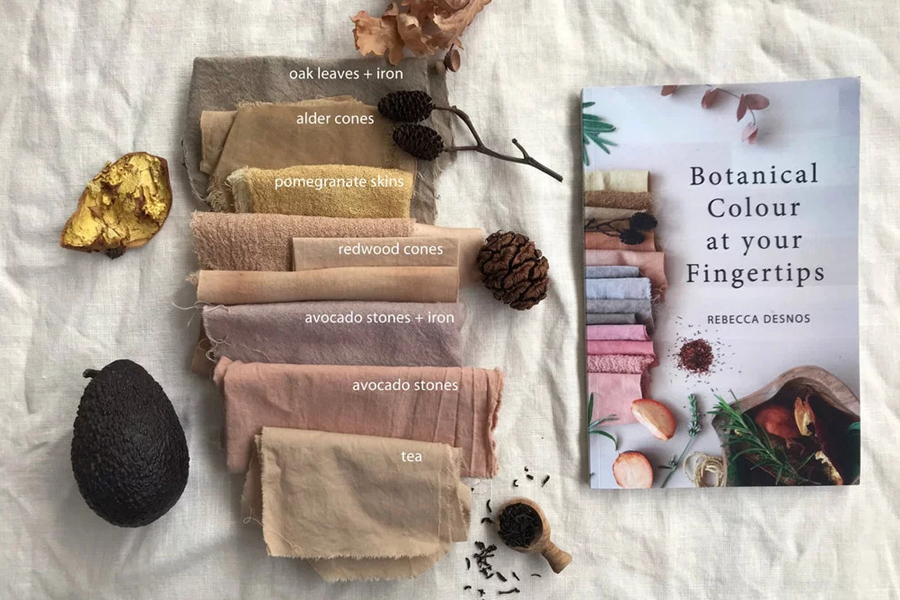
Plant tannin dyeing is a fascinating process that brings a natural touch to textiles. This ancient technique has gained popularity among crafters and eco-conscious individuals who appreciate the beauty and sustainability of plant-based dyes. Using tannins extracted from various plant materials, the dyeing process not only colors fabrics but also enhances their texture and durability.
To start with plant tannin dyeing, selecting the right materials is key. Common sources of tannins include oak galls, sumac leaves, and chestnut husks. Each of these materials offers unique color profiles, ranging from rich browns to subtle greens. Gathering these natural resources can be a fun adventure, whether sourcing them from local parks or your own backyard. It’s amazing how nature provides such a diverse palette for your dyeing projects.
Preparing the fabric is an essential step in achieving vibrant results. Natural fibers like cotton, wool, and silk absorb plant dyes better than synthetic materials. Pre-treating the fabric with a mordant, which helps fix the dye, can significantly enhance the final color. Alum is a popular choice for beginners, as it’s easy to find and works well with a variety of plant dyes. Simply soaking the fabric in a mordant solution before dyeing sets the stage for beautiful, long-lasting colors.
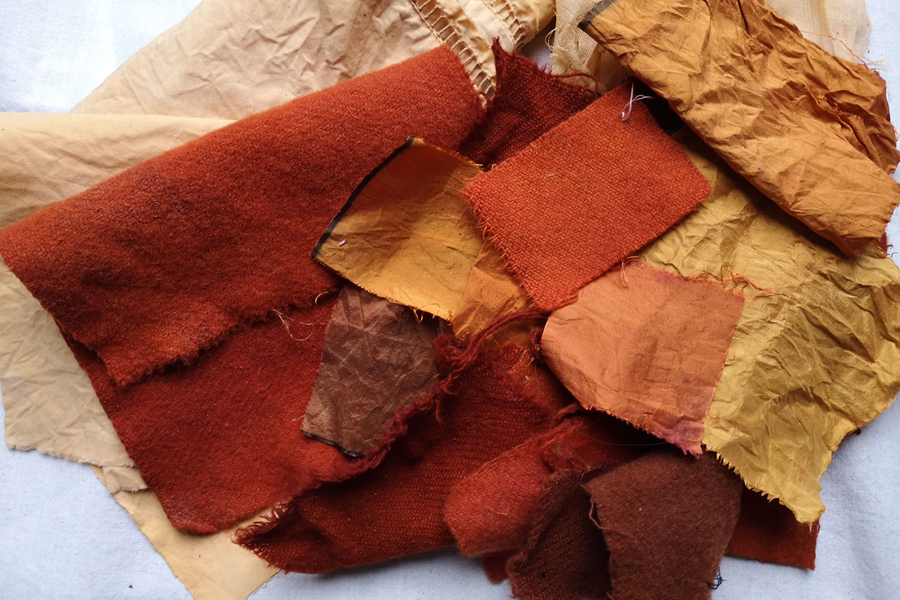
The dyeing process itself is where the magic happens. After preparing your tannin source, simmering it in water releases the dye. This creates a rich bath in which the fabric can soak. The longer the fabric stays in the dye bath, the deeper the color will become. It’s a hands-on experience that allows for creativity; experimenting with different soaking times can yield a range of shades from the same dye source. Keeping a journal of your dyeing experiments can help track what works best for future projects.
Once the dyeing is complete, rinsing the fabric in cold water helps remove any excess dye. This step is crucial for achieving a clean finish. After rinsing, hanging the fabric to dry in a shaded area prevents fading from direct sunlight. Watching the colors develop as the fabric dries is one of the most rewarding parts of the process.
Plant tannin dyeing isn’t just a fun craft; it also promotes sustainability. Using natural materials reduces reliance on synthetic dyes, which can be harmful to the environment. Plus, the colors produced are often more muted and earthy, giving textiles a unique, organic feel that synthetic dyes can’t replicate. Many crafters find that this connection to nature enhances their appreciation for the materials they work with.
Incorporating plant tannin dyeing into your textile projects opens up a world of creativity. Whether making unique clothing, home decor, or gifts, the results are always one-of-a-kind. Sharing your creations with friends and family can inspire them to explore the beauty of natural dyes. As more people become aware of the benefits of plant-based dyeing, this ancient art form continues to thrive, blending tradition with modern creativity. Embracing plant tannin dyeing not only enriches your crafting experience but also fosters a deeper connection to the environment.